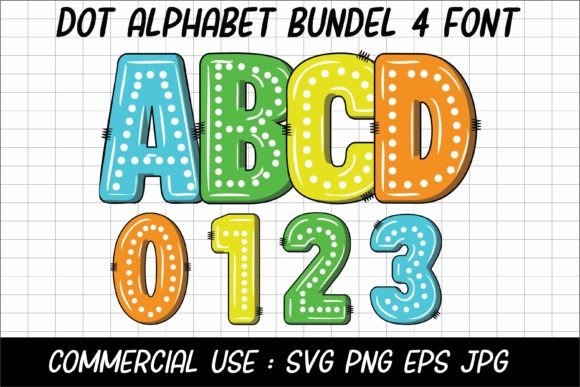
Dot Alphabet: Unlocking a Modern Font with a Classic Feel
When you first look at Dot Alphabet, you immediately notice the clever balance it strikes. It isn't just a collection of letters; it is a design statement. At its core, the font draws inspiration from the concept of the dot matrix, reminiscent of early digital displays or the tactile nature of systems like Braille, but it reinterprets this for a modern, high-resolution world. The result is a typeface that feels technical yet approachable, structured yet playful. For designers and brand strategists, this duality is incredibly valuable. It allows you to inject personality into a project without sacrificing clarity, making Dot Alphabet a strong contender for anyone looking to step away from standard sans serif options.
Visual Personality and Style
The visual characteristics of Dot Alphabet define its personality. It typically features geometric construction where the negative space is just as important as the positive strokes. Depending on the specific style or weight you choose, the dots may be distinct and separate, creating a halftone effect, or they may be connected to form solid lines with rounded terminals. This structure gives the font a rhythmic quality. It feels "engineered" rather than "written," which positions it perfectly for branding that needs to convey precision, innovation, or a retro-futuristic aesthetic. Unlike a standard serif font that implies tradition, Dot Alphabet suggests forward-thinking and connectivity. It is a creative font that commands attention, but because of its legibility, it doesn't exhaust the reader.
Where Dot Alphabet Shines in Real Projects
Understanding where a font works best is half the battle in design. Dot Alphabet is a versatile display font, but it has specific sweet spots where it truly excels. Because of its distinct texture, it is a powerhouse for logo design and brand identity. A tech startup, a modern architectural firm, or a boutique creative agency could use Dot Alphabet to establish a visual language that feels current and distinct. It creates instant recognition on a business card or a website header.
Beyond branding, consider editorial design and packaging design. In magazines or blogs, a bold weight of Dot Alphabet can create stunning pull quotes or section headers that break the monotony of body text. For packaging, especially in the consumer electronics, cosmetics, or artisanal food sectors, the font adds a layer of tactile interest. It suggests that the product inside is carefully crafted. It also translates surprisingly well to social media graphics. In a crowded feed, the unique texture of the dots catches the eye, making it easier to stop the scroll. It works well for event posters, merchandise, and even apparel design where a modern typography approach is desired.
Strategic Influence on Brand and Audience
Typography does more than spell out words; it shapes perception. Choosing Dot Alphabet influences how your audience feels about your brand. If you are aiming for a brand perception of "innovative" or "disruptive," this font supports that narrative. It suggests you are comfortable with technology but value design aesthetics. This is crucial for visual hierarchy. By using Dot Alphabet for your H1 headers and pairing it with a clean, neutral body font, you create an immediate focal point. The reader knows exactly where to look first.
Consistency is another factor. When you integrate a font like this across your web design, print materials, and digital ads, you build a cohesive world. The audience begins to associate that specific geometric dot style with your voice. However, readability must be considered. While Dot Alphabet is excellent for display purposes, using it for long-form body copy can be tiring on the eyes. The distinct texture that makes it beautiful in a headline can become "noisy" in a paragraph. Therefore, treat it as a strategic asset for impact, not a utility for long reading.
Practical Guide to Implementation
For designers and entrepreneurs looking to implement Dot Alphabet, a few practical considerations will ensure success. First, evaluate the project fit. Is the tone of the project serious and corporate, or is it creative and energetic? Dot Alphabet leans toward the latter. If you are working on a legal document or a medical report, a traditional serif or sans serif might be safer. But for a lifestyle brand, a music festival, or a design portfolio, it is a perfect match.
Next, focus on font pairing. Because Dot Alphabet has such a strong personality, it pairs best with understated companions. A geometric sans serif or a simple serif font works well for body text. You want the contrast to be clear: the headline provides the style, and the body provides the readability. Avoid pairing it with another "display" or "handwritten" font, as this will create visual chaos.
Finally, check the technical details. Look at the included styles. Does the premium font family include bold, light, and italic variations? You need these to create a robust typographic scale. Also, consider the spacing. Fonts with high texture sometimes require manual kerning, especially at large sizes in logo design, to ensure the letters breathe properly. If you are using it for commercial projects, ensure you have the correct commercial licensing. This is often overlooked by small business owners, but using a font without the proper license for app development or merchandise can lead to legal headaches down the road. Dot Alphabet is a premium font, and treating it as a professional asset ensures your brand identity remains professional as well.