Breast Cancer Font: Merging Retro Style with Cause-Driven Design
In the world of graphic design, typefaces are rarely just about legibility; they are the voice of a project. When we encounter a typeface like the Breast Cancer Font, we are looking at more than just a set of vectors. It is a carefully crafted tool that blends retro vintage aesthetics with a modern, cause-driven purpose. For designers, entrepreneurs, and content creators, this presents a unique opportunity to marry visual appeal with meaningful advocacy. It captures the nostalgia of bygone days while speaking to a health topic that affects millions of lives globally.
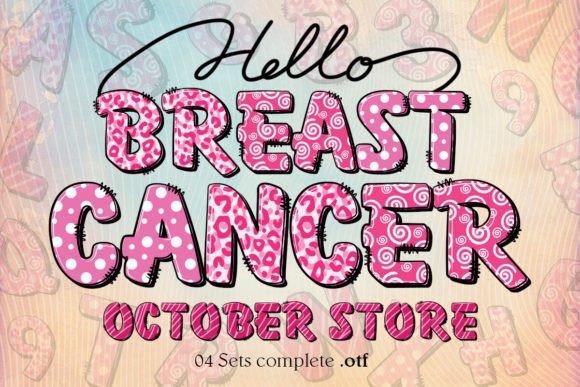
Visually, the Breast Cancer Font is defined by its alluring shade of pink and its distinct retro character. It is not a standard sans serif font or a rigid geometric typeface. Instead, it leans into the charm of vintage signage and mid-century typography. The letterforms likely feature soft curves, perhaps some hand-lettering influences, and a warmth that makes it incredibly approachable. This display font is designed to catch the eye immediately. Its personality is bold yet empathetic, striking a balance between standing out and inviting the viewer into a conversation. The pink colorway is not just decorative; it is symbolic, instantly signaling solidarity with breast cancer awareness without needing a single word of explanation.
Strategic Applications for the Modern Creative
Understanding where this creative font fits into your workflow is essential for maximizing its impact. Because it is a premium font with a specific visual identity, it excels in projects where emotional connection and visual hierarchy are paramount.
For those involved in brand identity and logo design, the Breast Cancer Font can serve as a powerful logotype for non-profits, charity events, or awareness campaigns. Imagine a local 5K run or a fundraising gala; this font immediately sets the tone, communicating the event's purpose while maintaining a celebratory, optimistic vibe. It works beautifully for packaging design as well. Think of limited-edition products where a portion of proceeds goes to research—the font adds a layer of authenticity and care to the product's shelf presence.
In the realm of digital design and web design, the font is a standout choice for hero images, call-to-action buttons, or social media graphics. On platforms like Instagram or Pinterest, where visual scroll-stopping power is currency, a bold, pink, retro typeface grabs attention instantly. However, because it is a display font, it is best used for headlines and short bursts of text. For body copy, pairing it with a clean, readable sans serif font or a neutral serif font ensures that your message remains clear and accessible.
The Technical Reality: Compatibility and Usage
One of the most practical aspects of the Breast Cancer Font is its versatility across different hardware and software, though there are important distinctions to note. The font is provided in multiple versions to accommodate various creative workflows.
The black version of the font is a workhorse for crafters and makers. It is fully compatible with Cricut Design Space and other popular cutting machines. This makes it an ideal choice for creating physical goods such as t-shirts, tote bags, vinyl decals, and greeting cards. If you are a hobbyist or a small business owner selling handmade items on platforms like Etsy, this compatibility allows you to integrate the font into your production process seamlessly.
However, the color version of the font requires a more specific environment. This version, which features the signature pink hue embedded in the file, is designed for advanced design assets workflows. It works perfectly in professional software like Adobe Photoshop, Adobe Illustrator, Silhouette Studio, and Inkscape. It is crucial to understand that the OTF and TTF files of the color version are not compatible with Cricut. Attempting to cut a color font directly in Cricut will often result in errors or a lack of detail. Therefore, if you intend to use the pink version, you must use it within a graphic design program to create a flattened image (like a PNG) before transferring it to a cutting machine, or simply use it for digital projects like editorial design and web graphics.
Refining Your Design with Font Pairings
A retro vintage-inspired typeface carries a lot of personality. To maintain a professional and balanced composition, thoughtful font pairing is necessary. The Breast Cancer Font brings a specific energy—nostalgic, warm, and thematic—so the supporting typeface should offer contrast without competing for attention.
Consider pairing the Breast Cancer Font with a modern geometric sans serif font. The clean lines of the sans serif will ground the more expressive nature of the display font, creating a visual hierarchy that guides the reader’s eye from the headline to the body text. Alternatively, if you are going for a softer, more organic look, a humanist sans serif or even a simple script font (used sparingly) can complement the vintage vibe.
Avoid pairing it with other highly decorative or handwritten fonts, as this can lead to visual clutter. The goal is to let the Breast Cancer Font be the star of the show while the supporting text does the heavy lifting of conveying detailed information. Always test your pairings at different sizes. A display font that looks magnificent at 72pt might lose its legibility at 24pt, so ensure your hierarchy holds up across different applications, from a large poster to a mobile screen.
Conclusion: A Typeface with Purpose
Ultimately, the Breast Cancer Font is more than just a design asset