The Yellow Typeface: A Burst of Sunshine for Your Projects
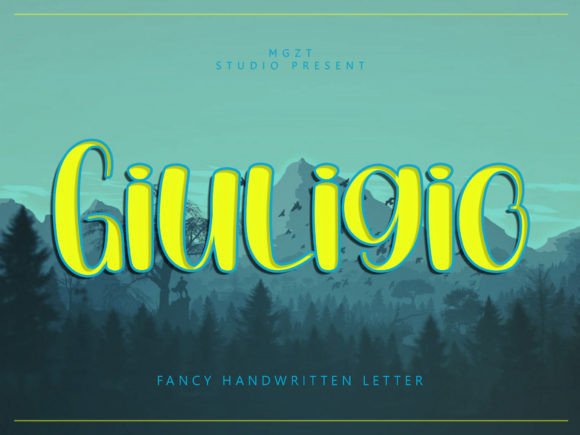
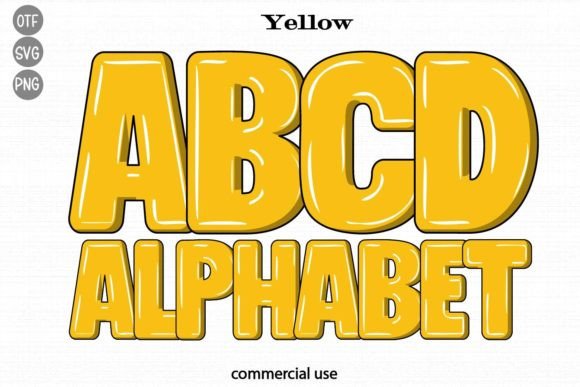
When you first encounter the Yellow typeface, the name itself offers a clue. It’s a creative font that doesn’t just use color in its display—it embodies it. This isn't a standard sans serif font or a typical serif font. Instead, Yellow is a handwritten font that captures a specific, joyful energy. It’s the kind of typeface that feels like a sunny afternoon, designed to bring a smile before a single word is fully read. For anyone working on projects aimed at children, families, or any audience that appreciates warmth and approachability, this premium font offers a distinct personality that’s hard to ignore.
Visually, Yellow is characterized by its soft, rounded edges and a slightly irregular baseline that gives it a genuine, hand-drawn quality. The letterforms are playful without being childish, striking a balance that appeals to a broad age range. The strokes have a consistent, friendly weight, ensuring legibility even at smaller sizes. While its primary character is one of cheerfulness, the font maintains a clean structure. This makes it a versatile display font—it’s perfect for headlines and logos but can also work for short bursts of body text in the right context, like in a poster or a social media graphic.
Where Yellow Truly Shines: Practical Applications
Understanding a font's personality is one thing; knowing where to apply it is where the real value lies. Yellow isn't a one-size-fits-all solution, but in its niche, it’s exceptionally effective.
- Children's Products & Branding: This is Yellow's natural habitat. Think toy packaging, children's book titles, educational app interfaces, and branding for kid-centric businesses like daycare centers or pediatric clinics. The font’s inherent warmth builds instant trust and recognition with both children and their parents.
- Editorial & Publishing Design: For magazines, blogs, or activity books targeting young families, Yellow can be used for section headers, pull quotes, or feature titles. It adds a layer of personality to editorial design without overwhelming the content. Paired with a clean sans serif font for body copy, it creates a dynamic and engaging visual hierarchy.
- Web & Social Media Graphics: On platforms like Instagram or Pinterest, where grabbing attention is paramount, Yellow excels. Use it for quote graphics, sale announcements, or story highlights. Its distinctive look helps with brand recognition in a crowded feed. For web design, it can be a standout choice for a site's main navigation or a call-to-action button on a family-oriented brand's website.
- Packaging & Merchandise: From snack foods for kids to artisanal products with a whimsical angle, Yellow can make a product pop on the shelf. It’s a fantastic tool in packaging design to convey fun and approachability. The same principle applies to merchandise like t-shirts, mugs, or stickers for a creative small business.
- Event & Personal Projects: Birthday invitations, school event posters, scrapbooking, and party decorations all benefit from Yellow's cheerful demeanor. It’s a font that feels personal and celebratory.
Integrating Yellow into Your Design Workflow
Choosing a font like Yellow is just the first step. Using it effectively requires some practical consideration to ensure it supports your project's goals rather than distracting from them.
Pairing for Balance and Readability
The key to using a strong display font is pairing it with a more neutral companion. Yellow’s playful nature means it pairs best with simple, highly readable typefaces. A classic sans serif font like Open Sans, Lato, or Montserrat creates a perfect balance, allowing Yellow to handle the headlines and emotional appeal while the sans serif ensures longer text remains comfortable to read. Avoid pairing it with another ornate script font or handwritten font, as this will create visual chaos and harm readability.
Evaluating the Font's Full Potential
Before purchasing a commercial font, always review the full character set and included styles. Does Yellow come with multiple weights? Does it include a full set of punctuation, numerals, and special characters? Some creative fonts might lack essential glyphs, which can be a project killer. Also, check for stylistic alternates—these are alternate versions of letters that can add even more variety and a custom feel to your designs.
Licensing and Commercial Use
This is a critical, often overlooked step. If you're using Yellow for a client project, for merchandise you sell, or for a business's brand identity, you must ensure you have the correct commercial license. The license terms will specify how many users can install the font and where it can be deployed (e.g., on a website, in software, on physical products). Respecting the font creator's licensing is not just legal compliance; it's a professional standard that supports the design community.
Context is Everything
Finally, always test the font in context. Mock up your design with Yellow in place. How does it look on a mobile screen versus a printed poster? Does it maintain its charm when scaled down for a business card? The goal of modern typography is to serve the content and the audience. While Yellow is a fantastic design asset for evoking joy and creativity, it should always be chosen because it aligns with the project's message and audience expectations. Used thoughtfully, it becomes more than just a font—it becomes a key part of your project's story.