Sun-Kissed Type: The Vibrant Summer Orange Font
When you think of the summer season, specific sensory details immediately come to mind: the sharp, sweet scent of citrus, the vibrant color of a sunset, and the relaxed, casual atmosphere of a beach party. Capturing that specific "vibe" in a design project requires more than just a stock photo of a palm tree; it requires typography that feels alive. This is where the Summer Orange font steps in. It is not merely a set of characters; it is a carefully crafted display font designed to evoke the warmth and energy of the hottest months of the year. By utilizing an innovative orange pulp motif within the letterforms, this typeface offers a unique texture that standard sans serif or serif font options simply cannot provide.
Visual Anatomy of the Summer Orange Typeface
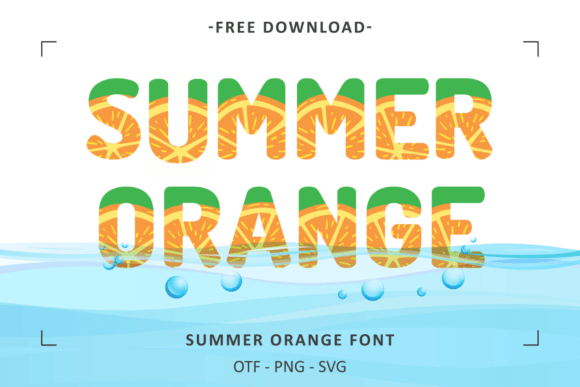
At its core, Summer Orange is a creative font that bridges the gap between illustration and typography. Unlike a clean, geometric modern typography face, this design embraces organic irregularity. Each letter is filled with a texture that mimics the fibrous, juicy interior of an orange slice. This design choice adds immediate depth and dimension to any text, turning flat words into tactile visuals.
The personality of the Summer Orange typeface is undeniably playful and energetic. It carries a distinct "casual touch" that makes it feel approachable and fun. However, because it is a premium font, it maintains a level of refinement. The kerning (the space between letters) is balanced to ensure that despite the intricate internal texture, the words remain cohesive. It is bold enough to grab attention but detailed enough to hold it. This makes it an excellent alternative to standard handwritten fonts or script fonts when you want a relaxed feel without sacrificing legibility.
Strategic Applications for Designers and Marketers
Understanding where to deploy a display font like Summer Orange is crucial for maintaining visual hierarchy. Because of its strong visual presence, it is best used for headlines, logos, and short bursts of text rather than long-form body copy. Here is how different professionals can leverage this asset:
- Logo Design and Brand Identity: For businesses in the food, beverage, or travel industries, Summer Orange can form the backbone of a brand identity. Imagine a juice bar or a surf shop using this typeface for their primary logo. It immediately communicates freshness and fun. The texture adds a layer of recognition that a generic sans serif font would miss.
- Packaging Design: In the world of consumer goods, packaging must stand out on a crowded shelf. Using this font on labels for summer ales, citrus-based snacks, or sunscreen can reinforce the product's theme. The pulp motif acts almost as a background illustration, reducing the need for additional graphic elements.
- Editorial and Web Design: While not suitable for body text, Summer Orange works beautifully for pull quotes, section headers, or hero text on a landing page. It draws the eye immediately, increasing engagement and encouraging the visitor to read the surrounding content.
- Event Marketing: From music festivals to backyard barbecues, event posters need to convey energy. This creative font is perfect for flyers, tickets, and wristbands. It suggests a relaxed, party atmosphere that aligns perfectly with summer events.
Practical Integration: Pairing and Professionalism
One of the most common questions regarding distinct typefaces is how to pair them. A strong font pairing ensures that your design remains professional and readable. Since Summer Orange is a high-impact display font, it requires a quiet partner. You should pair it with a neutral, clean typeface for body text. A simple geometric sans serif font like Montserrat or a classic serif font like Lora can provide a sophisticated contrast. The goal is to let Summer Orange do the talking for the headlines while the supporting font handles the heavy lifting of information delivery.
Readability and Technical Considerations
When working with textured fonts, readability is a valid concern. The intricate orange pulp design within the letters could potentially reduce clarity at small sizes. Therefore, it is essential to test this font at the intended output size. For web design, ensure that the font is rendered at a size where the texture is visible but does not blur into a muddy shape. For print applications like restaurant menus or greeting cards, high-resolution printing is necessary to capture the detail of the pulp motif.
Furthermore, consider the color palette. Summer Orange looks stunning against cool blues, teals, and sandy neutrals, creating a complementary color scheme that enhances the summer aesthetic. However, placing it on a busy background image might cause visual clutter. It is best utilized on solid, contrasting backgrounds to allow the unique letterforms to shine.
Licensing and Project Fit
Before incorporating any commercial font into a client project or a product for sale, verifying the license is non-negotiable. Summer Orange is typically distributed as a premium font, meaning it comes with specific terms of use. Always check if the license covers your specific application, whether it is for digital goods, merchandise like t-shirts, or large-scale print runs. Proper licensing protects your business and respects the work of the type designer.
Ultimately, Summer Orange is more than just a seasonal novelty; it is a versatile design asset. Whether you are a small business owner designing a seasonal menu, a crafter creating stickers