Simple Candy: Adding a Vibrant, Whimsical Touch to Your Designs
There's a particular kind of design challenge that calls for more than just clean lines and professional neutrality. Sometimes, a project needs a voice—a distinct personality that can cut through the visual noise. This is where a creative font like Simple Candy enters the conversation. It’s a typeface built not just to be read, but to be felt. As a modern display font, it brings a vibrant, joyful energy that can transform a standard layout into something memorable and engaging.
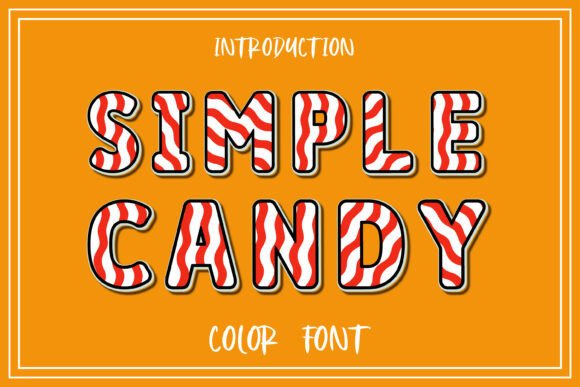
At its core, Simple Candy is a celebration of personality. Imagine letterforms that feel hand-drawn, with a playful bounce and a confident, rounded structure. It avoids the rigid geometry of a sans serif font and the formal tradition of a serif font, instead carving out its own space as a handwritten font with a polished edge. The visual appeal lies in its imperfections—the subtle variations in stroke weight and the cheerful, approachable character shapes. This isn't a script font that mimics cursive; it’s a bold, standalone statement that radiates fun and creativity. It’s the kind of typeface that makes you smile before you’ve even finished reading the word.
Where Simple Candy Truly Shines
The true test of any premium font is its versatility in real-world applications. Simple Candy finds its strength in projects where you want to establish an immediate emotional connection and a sense of whimsy. Its personality is a perfect match for specific creative endeavors.
In branding and logo design, it can become the cornerstone of an identity for a business that wants to appear friendly, youthful, and approachable. Think of a local bakery, a children’s boutique, a craft brewery with a playful vibe, or a lifestyle blog focused on fun and creativity. The font instantly communicates a brand story of joy and authenticity. For packaging design, it’s a game-changer. A product on a crowded shelf that uses Simple Candy on its label will pop, suggesting a delightful experience inside. It’s particularly effective for artisanal goods, sweets, snacks, and any product that benefits from a homemade, heartfelt touch.
Beyond commercial use, its charm extends to personal projects. Wedding invitations, birthday cards, and event stationery gain a layer of personal warmth. In editorial design, it can be used for pull quotes, subheadings, or chapter titles in magazines and books aimed at a creative audience, providing a visual break from body text. For digital and web design, it works beautifully for hero section headlines, call-to-action buttons, or social media graphics where grabbing attention in a fast-scrolling feed is paramount.
Practical Guidance for Using a Font with This Much Personality
Choosing a creative font like Simple Candy requires a bit of strategy. Its strength is its personality, but that also means it needs to be deployed thoughtfully to maintain professionalism and readability.
Evaluating Project Fit: First, consider your audience and message. If you’re designing a legal firm’s annual report, Simple Candy is likely the wrong choice. But for a yoga studio’s new class schedule or a food truck’s menu board, it’s an excellent fit. Ask yourself: does the brand want to feel serious and authoritative, or friendly and energetic? This font answers the latter.
Mastering Font Pairing: This is perhaps the most critical skill. A display font with this much character should almost never be used for long paragraphs. Its job is to headline and highlight. Pair it with a clean, highly legible sans serif font or a classic serif font for body text. For example, Simple Candy could set the headline for a blog post about summer recipes, while a font like Lato or Merriweather handles the readable paragraphs. This creates a clear visual hierarchy, letting the playful font do its job without overwhelming the reader.
Readability and Application: Always test for readability at the size you intend to use it. At large scales, its character is a virtue. At very small sizes, some of its charming details might become muddled. It’s best suited for headlines, logos, and short phrases. Use it for your social media graphics to make quotes stand out, or for the title on a web design hero image. Avoid using it for navigation menus, fine print, or lengthy descriptions.
Reviewing Your Asset: When you invest in a commercial font like this, explore everything it offers. Check for alternate characters, ligatures, or different stylistic sets. These features can add even more uniqueness to your designs. Also, ensure you understand the licensing. If you’re using it for a client’s logo or on products for sale, you need the appropriate commercial license. This is a standard part of working with professional design assets and protects both you and the font creator.
Ultimately, Simple Candy is more than just a collection of letters. It’s a tool for injecting optimism and character into your work. By understanding its personality and applying it with intention, you can leverage its transformative power to create designs that don’t just communicate, but truly connect.