Playing Ground: A Font That Brings Whimsy and Warmth to Your Designs
More Than Just Letters: Capturing a Playful Spirit
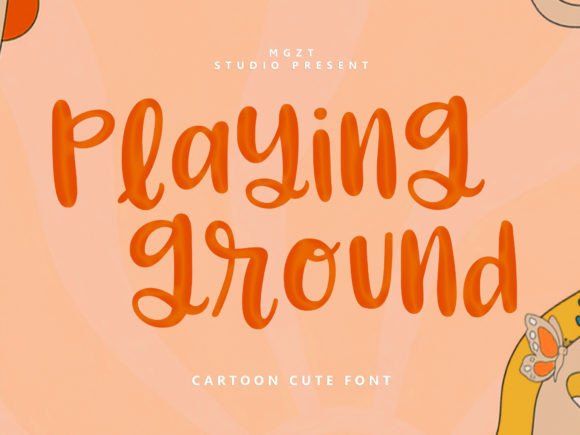
When you first encounter the Playing Ground typeface, the immediate impression is one of friendly charm. It’s not a loud, demanding display font, nor is it a sterile, technical sans serif. Instead, it occupies a delightful middle ground—a creative font that feels like a handwritten note from a friend or a character from a beloved children’s cartoon. Each letter is crafted with a gentle, rounded simplicity, featuring small, endearing characters that sit compactly on the line. The overall personality is sweet, approachable, and inherently joyful. This isn't about complex typographic theory; it's about evoking a specific, positive feeling the moment someone reads your text. The design prioritizes clarity and cuteness in equal measure, making it a premium font that delivers real emotional impact.
The visual style of Playing Ground leans into a whimsical cartoon aesthetic without becoming childish or illegible. Its strokes are consistent and gentle, avoiding sharp angles or overly intricate details that can hinder readability at smaller sizes. This careful balance is what makes it so versatile. It can function beautifully as a display font for a headline, where its personality shines, but it also holds up remarkably well in short paragraphs or callouts. For designers and creators, this means you can maintain a consistent, playful tone across an entire project—from the main title to the supporting text—without switching to a different typeface. This consistency is a cornerstone of effective brand identity, helping to create a cohesive and memorable experience for the audience.
Where Playing Ground Truly Shines: Practical Applications
Understanding a font’s ideal use cases is key to using it effectively. Playing Ground excels in projects where the goal is to communicate warmth, friendliness, and approachability. Its natural habitat is in children's book layouts, where its clear, engaging letterforms support early reading while maintaining visual interest. The font is equally at home in playful branding for family-oriented businesses, toy shops, bakeries, or any service that wants to project a lighthearted and trustworthy image. Think of a logo design for a children's clothing line or the menu for a cozy café—Playing Ground can set the perfect tone.
Beyond traditional print, this creative font is a powerhouse for digital and social media graphics. Its compact size and clear shapes render beautifully on screens, making it an excellent choice for Instagram quotes, YouTube thumbnails, or website banners that need to grab attention with a friendly vibe. For content creators and bloggers, using Playing Ground in featured images or section headers can add a distinctive, personal touch that stands out in a crowded feed. It’s also a fantastic asset for packaging design, especially for products targeting families or those with a handmade, artisanal quality. The font’s charm can directly influence brand perception, making a product feel more accessible and caring.
Entrepreneurs and small business owners will find it particularly useful for creating cohesive design assets. From business cards and letterheads to invoices and thank-you notes, incorporating Playing Ground consistently helps build a recognizable and friendly brand personality. It’s a commercial font that offers significant value for marketing materials like flyers, posters, and social media ads, where capturing a positive emotional response quickly is crucial. Even for personal projects—like designing a family recipe book, creating custom invitations, or crafting a heartfelt scrapbook—this typeface adds a layer of intentional sweetness that generic fonts cannot match.
Making It Work: Guidance for Effective Use
Choosing the right font is only half the battle; using it well is what separates good design from great. When evaluating if Playing Ground is the right fit for your project, consider the overall mood you need to establish. It pairs wonderfully with clean, neutral sans serif fonts for body text, allowing the playful display font to handle headlines without overwhelming the layout. For a more harmonious look, you could pair it with a simple serif font that shares its friendly proportions. The key is to create visual hierarchy—using Playing Ground for key elements where you want to inject personality, and a more subdued font for longer blocks of text to ensure readability.
Always test your font pairing in context. Mock up a business card, a social media post, or a book cover spread to see how the combination feels. Pay attention to readability considerations at the sizes you intend to use it. While it’s clear for a display font, always check that your specific message remains easily digestible. Review the full character set and any included styles or weights (like bold or italic) to ensure they meet your needs for visual hierarchy and emphasis. Finally, if your project is for commercial use, verify the commercial licensing terms of the font. A reputable premium font like Playing Ground will come with a clear license that covers your intended applications, whether for a single client project or widespread editorial design and web design use.
Ultimately, Playing Ground is more than just a collection of letters; it’s a design asset that brings a specific, valuable emotion to a project. Its strength lies in its ability to make text feel human, approachable, and cheerful. By thoughtfully applying it to the right projects and pairing it with complementary typefaces, you can leverage its whimsical charm to enhance audience engagement, strengthen your brand identity, and simply bring more smiles to the people who encounter your work. It’s a practical tool for any designer, marketer, or creator looking to add a touch of genuine joy to their visual language.