Exploring the Travel Typeface: A Designer's Guide
Understanding Travel's Visual Character
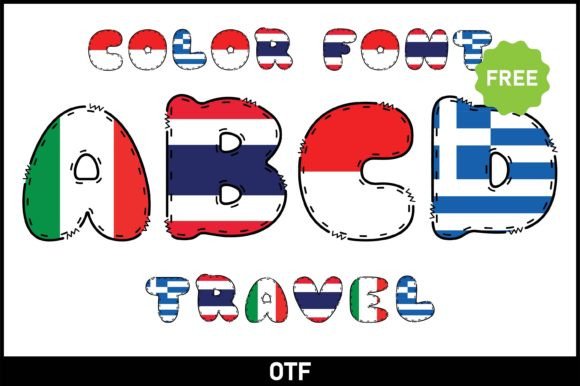
The Travel font immediately catches the eye with its distinctive blend of whimsy and structure. It’s a display font that leans into a handcrafted, artistic personality without sacrificing clarity. Imagine the fluidity of a script font meeting the deliberate forms of a serif font; that’s the kind of hybrid appeal Travel offers. Its letterforms often feature gentle curves, playful swashes, and a rhythm that feels both organic and carefully composed. This isn't a rigid, corporate typeface. Instead, it carries a sense of warmth, creativity, and approachability, making it a versatile creative font for projects that need a human touch.
Visually, Travel works by balancing expressiveness with readability. The strokes have a consistent, medium weight that ensures visibility on both screens and print. The x-height is generous, which aids legibility at smaller sizes, a common pitfall for many decorative fonts. The overall aesthetic is modern yet timeless, avoiding fleeting trends in favor of a style that feels both fresh and enduring. It’s the kind of typeface that can make a greeting card feel personal, a book cover intriguing, or a brand logo instantly memorable.
Where Travel Truly Shines: Practical Applications
Travel’s strength lies in its adaptability across a surprising range of projects. In editorial design, it’s perfect for chapter titles, pull quotes, or magazine headings where you want to inject personality without overwhelming the body text. Think of a travel memoir or a lifestyle blog header; Travel sets the tone immediately. For packaging design, especially for artisanal goods, boutique products, or anything targeting a creative audience, this font adds a layer of crafted authenticity. It tells a story before the customer even reads the product description.
In the digital realm, Travel is a powerhouse for social media graphics. It’s bold enough to stand out in a crowded feed and stylish enough to convey a specific brand vibe—be it adventurous, artistic, or friendly. For logo design, it offers a unique alternative to overused script or handwritten fonts, helping a brand stand apart. However, its role here is specific; it’s best suited for logos where the name itself is the primary visual element. For web design, use it sparingly—perhaps for hero section headlines or call-to-action buttons—paired with a clean sans serif font for body copy to maintain a professional hierarchy.
Making Smart Design Choices with Travel
Choosing any premium font like Travel requires thoughtful evaluation. First, assess the project’s core message. Is it playful? Artistic? Sophisticated? Travel leans toward the first two. It might not be the right fit for a law firm’s annual report, but it’s ideal for a creative agency’s portfolio or a children’s educational app. Always test it in context. Mock up a headline, a subheading, and see how it interacts with your other design assets. Does it complement your color palette and imagery? Does it support your brand identity or distract from it?
Font pairing is critical. Travel, with its decorative nature, demands a quiet partner. A neutral sans serif font like Open Sans or Lato often works beautifully for body text, letting Travel’s headlines take center stage. For a more classic feel, a simple serif font like Lora can provide elegant contrast. Review the included font files thoroughly. Does it come with multiple weights, alternates, or ligatures? These features expand its utility. The black version’s compatibility with Cricut Design Space is a major plus for crafters and small business owners creating physical products, from custom apparel to signage. Just remember the color version’s software limitations for digital projects.
Finally, consider the practicalities. Ensure the commercial font license covers your intended use, whether for a client’s brand, merchandise, or digital products. Test readability at various sizes, especially for smaller applications like product tags or mobile screens. Travel’s charm is in its details, but those details must remain crisp. By thoughtfully integrating this font, you’re not just adding text; you’re embedding a specific emotion and aesthetic into your work, making your designs more engaging, recognizable, and effective.