Autumn Season Font: Designing from Halloween to Christmas
There is a specific creative challenge that designers face every year around mid-September. You are tasked with capturing the energy of Halloween, the gratitude of Thanksgiving, and the warmth of Christmas, often within the same brand campaign or product line. Using separate typefaces for each holiday can fragment your visual identity, but using a generic font often lacks the necessary festive punch. This is where the Autumn Season font family enters the conversation. It is not merely a typeface; it is a comprehensive design asset built to navigate the entire fall and winter timeline with a cohesive, striking visual language.
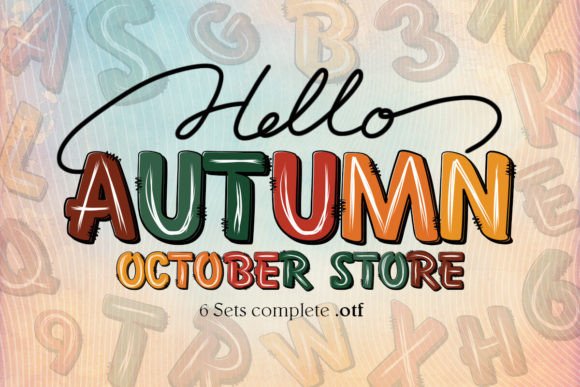
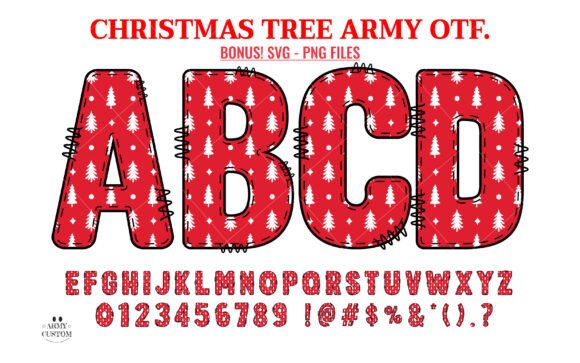
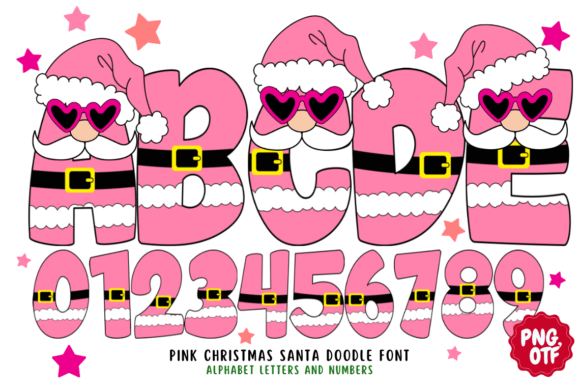
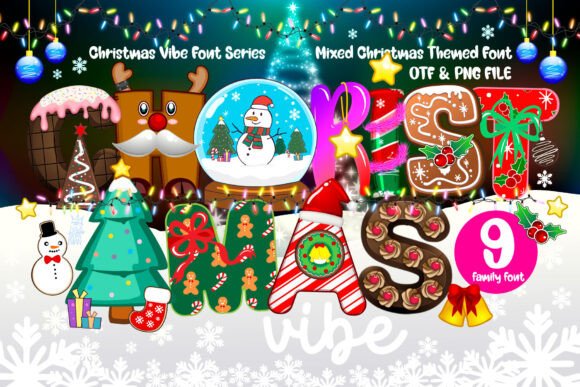
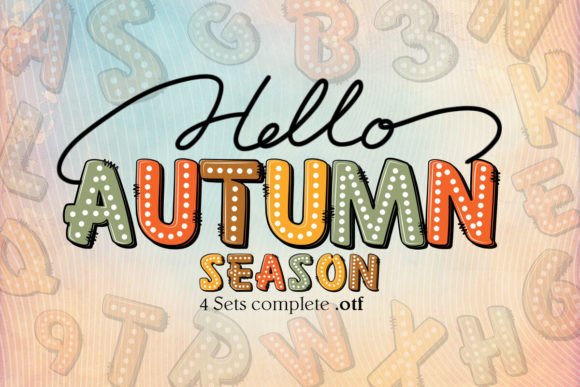
The defining characteristic of this premium font is its versatility in color application. While many display fonts rely solely on shape, Autumn Season utilizes color font technology to infuse life into the letterforms. The visual personality is bold and celebratory, balancing a modern sensibility with traditional holiday motifs. It captures the spirit of "Hallothannksmas"—that unique cultural blend where seasons overlap—allowing you to transition smoothly from the spooky charm of October to the heartfelt cheer of December. Whether you are a graphic designer, a small business owner, or a content creator, understanding how to leverage this font can significantly elevate your seasonal output.
Visual Characteristics and Personality
At its core, Autumn Season functions as a display font designed for headlines and focal points. The letterforms possess a structural integrity that commands attention, making it unsuitable for body text but perfect for large-scale applications. The "striking" nature mentioned in its description comes from its ability to hold complex textures and gradients within the vector paths of the characters. This creates a depth that flat sans serif fonts or standard serif fonts cannot achieve on their own.
The font’s personality is festive without being cartoonish. It strikes a delicate balance, appealing to adults who appreciate nostalgia but desire modern typography. The visual style adapts to the context: under one coloring, it can look rugged and spooky for Halloween; under another, it looks warm and textured like autumn foliage for Thanksgiving; and with a shift in palette, it becomes glossy and festive for Christmas. This adaptability makes it a powerful tool for brand identity projects that span several months.
Strategic Applications: Where Autumn Season Fits Best
The practical value of a creative font like Autumn Season lies in its application. For marketers and entrepreneurs, the fourth quarter is the most lucrative time of year. Visual hierarchy is critical during this period because consumer attention is fragmented across countless ads. Using this font in your logo design for a seasonal sale or as the primary headline for an email campaign can instantly signal the theme of your offer without requiring additional explanation.
In the realm of packaging design, the font shines brightest. Imagine a coffee blend packaging for "Autumn Harvest" or a gift box for "Holiday Sweets." The color font aspect allows the text to mimic materials like wood, leaves, or glitter, reducing the need for complex Photoshop effects. For crafters and hobbyists, specifically those using digital cutting machines, the utility is direct. The black version of the font is fully compatible with Cricut Design Space, making it ideal for vinyl decals, greeting cards, and scrapbooking layouts where a solid silhouette is required.
However, it is vital to recognize the technical limitations to avoid production headaches. As noted in the font specifications, the color version is not compatible with Cricut or standard word processors. The color files are designed for high-end design software such as Adobe Photoshop, Illustrator, Silhouette Studio (Designer Edition or higher), and Inkscape. If you attempt to upload the color OTF file to a standard cutting machine interface, it will likely appear as a black block or fail to load. Therefore, your workflow must distinguish between print/web design (where color fonts thrive) and physical cutting (where the black version is necessary).
Integrating Autumn Season into Your Design Workflow
Adopting a new typeface requires more than just installation; it requires strategy. To effectively use Autumn Season, you must consider font pairing. Because this font is ornate and textured, it creates a high-contrast visual when paired with clean, geometric sans serif fonts like Montserrat or Open Sans. This pairing ensures that your subheadings and body copy remain readable while your main headlines provide the festive flair. Avoid pairing it with other script fonts or handwritten fonts, as this will result in visual clutter and reduce legibility.
When evaluating the fit for your project, consider the tone of your message. This font works best for projects that aim to evoke emotion, excitement, or nostalgia. It is excellent for:
- Web Design: Hero sections for holiday landing pages.
- Social Media Graphics: Instagram stories and Facebook ads announcing seasonal promotions.
- Editorial Design: Magazine covers or blog headers focused on lifestyle and seasonal content.
Readability is a key consideration. Because this is a display typeface, you should limit its use to short bursts of text—typically under 10 words. Long sentences set in Autumn Season will fatigue the reader's eye. Use it to highlight keywords or primary calls to action.
Commercial Use and Licensing
For publishers and business owners, the distinction between personal and commercial use is non-negotiable. Ensure that your license covers the specific intended use, whether that is for physical merchandise (like t-shirts or mugs) or digital products (like printable planners). The investment in a commercial font protects your business legally and ensures you have access to the correct file formats (OTF/TTF) for professional printing.
Ultimately, Autumn Season is more than just a seasonal novelty. It is a strategic design asset that allows you to maintain brand consistency across the busiest months of the year. By understanding its technical requirements and pairing it wisely, you can create visuals that are not only festive but also professionally polished and engaging for your audience. Embrace the season, test your pairings, and let your designs speak the language of the holidays.